HVAC Contractors in NJ, NY & PA
A licensed trade in the tri-state area — every verified listing names the official registry we checked it against, and the date we checked.
Top rated across the tri-state

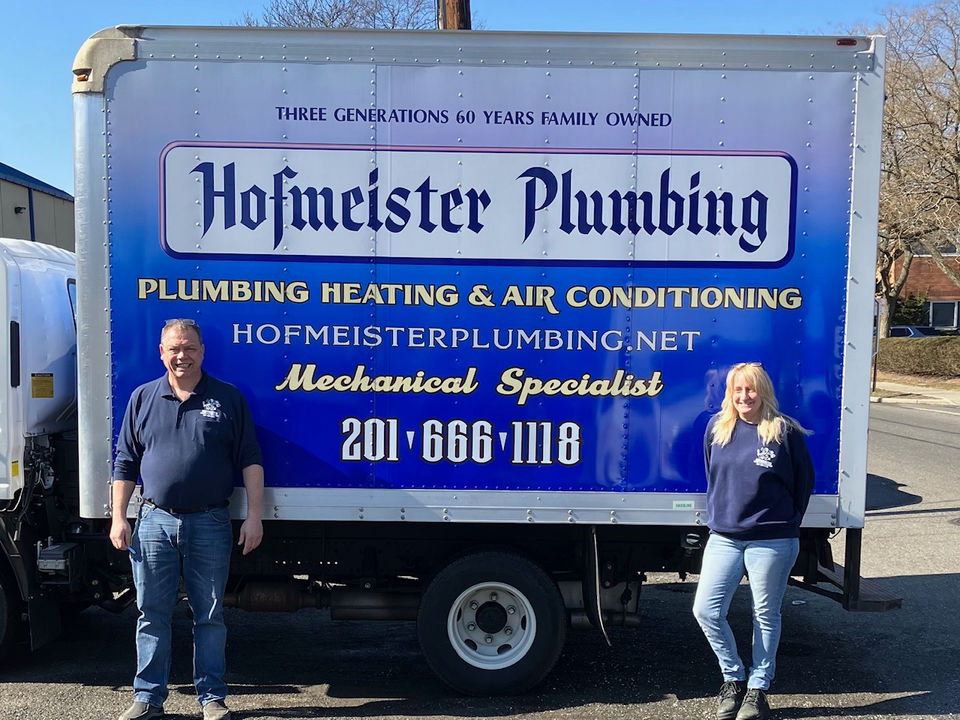
H. Hofmeister & Co. Plumbing Heating AC Sewer
Sponsored · client of the agencyPlumbers · Westwood, NJ · 60 yrs in business
4.8★ · 371 reviews across Google
Why we picked them: Third-generation Westwood plumber since 1966, NJ master plumber and HVACR licenses, 4.8 across 370+ Google reviews, BBB A+.
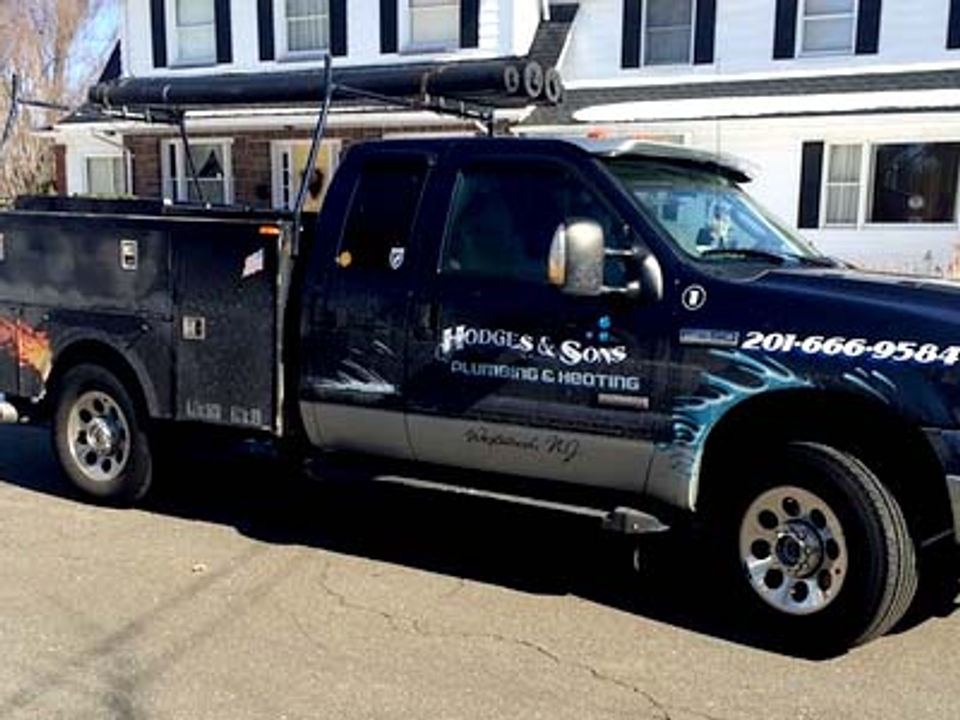
Hodges & Sons Plumbing & Heating
UnclaimedPlumbers · Westwood, NJ · 37 yrs in business
4.4★ · 24 reviews across Google, as reported by Birdeye
Why we picked them: Father-and-son Westwood firm since 1989, NJ master plumber license on file, serves more than 40 Bergen County towns.

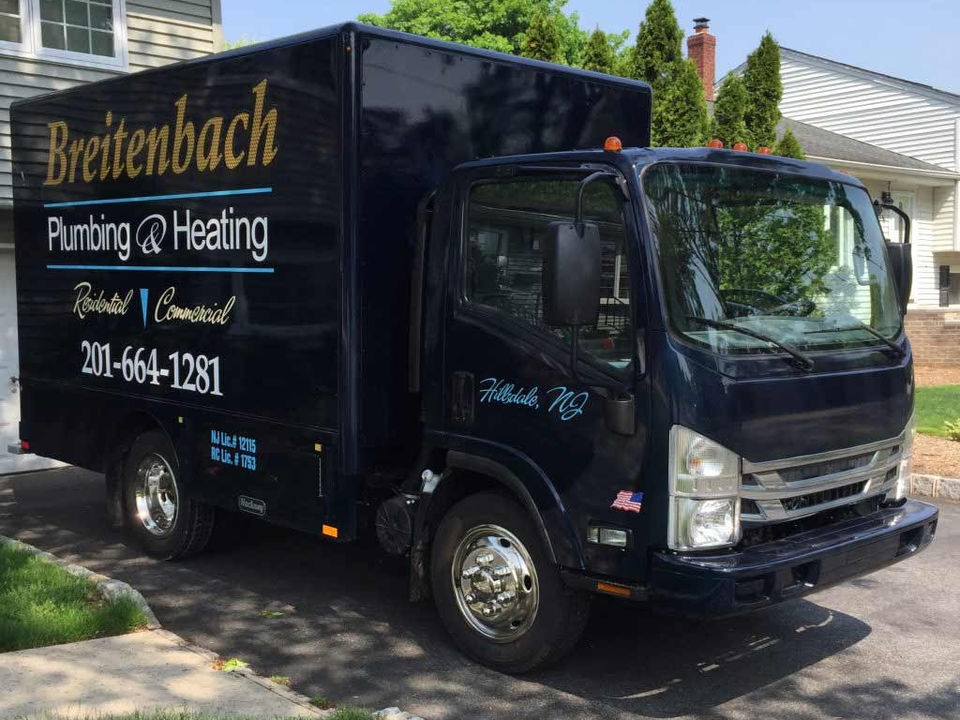
Breitenbach Plumbing & Heating, LLC
UnclaimedPlumbers · Hillsdale, NJ · 94 yrs in business
Not enough review data yet
Why we picked them: Founded in Hillsdale in 1932 and still family-run in its third generation, with the NJ plumbing license displayed on its own site.
Check a license yourself
The registries we verify hvac contractors against, by state:
- NJ
- NJ DCA HVACR Licensing Board
- NY
- NYC DOB / local municipal licensing
- PA
- PA AG HICPA registration
Find hvac contractors near you
Browse by county — town pages publish as soon as three verified businesses are behind them.
New Jersey
Not yet covered: Essex, Middlesex, Hudson, Monmouth, Ocean, Union, Passaic, Morris.
New York
Not yet covered: Kings, Queens, New York, Suffolk, Bronx, Nassau, Westchester, Richmond, Rockland, Tompkins, Delaware.
Pennsylvania
Not yet covered: Philadelphia, Montgomery, Bucks, Delaware, Chester.
How to hire HVAC contractors in NJ, NY & PA
By LicensedList editorial team · Updated August 2026
HVAC contractors install and service furnaces, boilers, central air, heat pumps, mini-splits, and ductwork, plus thermostats and indoor air quality equipment. They generally don't handle oil tank removal, chimney relining, or the electrical service upgrades a heat-pump conversion sometimes requires — those bring in specialty contractors or an electrician. Refrigerant handling requires federal EPA Section 608 certification for the technicians regardless of state.
The license and registration reality
- New Jersey: HVACR is a licensed trade. Contractors must be licensed by the State Board of Examiners of Heating, Ventilating, Air Conditioning and Refrigeration Contractors within the Division of Consumer Affairs. Verify the Master HVACR license through the DCA's online lookup.
- New York: There is no statewide HVAC license. In New York City, residential HVAC installation work generally falls under DCWP home improvement contractor licensing, and Long Island, Westchester, and Rockland counties license home-improvement and mechanical trades through their consumer-affairs offices. Check your county's rules.
- Pennsylvania: There is no statewide HVAC trade license; some municipalities license mechanical work locally. Residential contractors must register under HICPA with the Attorney General's office and show the PA number on contracts.
Questions to ask before hiring
- Will you perform a load calculation to size the equipment, or are you matching the old unit's size?
- What brand and exact model numbers are quoted, and what efficiency tier?
- Who pulls mechanical and electrical permits, and is inspection included?
- Are your techs EPA 608 certified, and is the company insured for liability and workers' comp?
- What do the labor warranty and the manufacturer warranty each cover, and who registers the equipment?
Red flags
- Sizing a system over the phone or from the driveway without measuring or calculating anything.
- Quotes that name a brand but no model numbers — you can't compare tiers you can't identify.
- Pressure to replace a system the same day a repair was quoted, especially during a heat wave or cold snap.
- No permit for equipment swaps in towns that require one, or no license/registration number on the paperwork.
What the paperwork should include
A written proposal should list equipment by model number, the load-calculation basis for sizing, ductwork modifications, electrical work, permit responsibility, removal and disposal of old equipment, start date, payment schedule, and both warranties. In New Jersey, home improvement contracts above a statutory threshold must be in writing — insist on a complete written contract in all three states.
Sources:
- https://www.njconsumeraffairs.gov
- https://www.nyc.gov/dcwp
- https://www.attorneygeneral.gov
Drafted with AI assistance; reviewed by the LicensedList editorial team. Registration or licensure is not an endorsement of a business's competency.
What drives HVAC pricing
By LicensedList editorial team · Updated August 2026
HVAC quotes swing widely because the equipment, the house, and the season all pull on the price. Here's what actually moves it.
- Equipment and scope. Brand, capacity, and efficiency tier are the big levers — a basic single-stage system and a variable-speed heat pump are entirely different purchases. Whether the job is a straight swap, a fuel conversion, or a first-time install with new ductwork changes the labor by multiples.
- Ductwork and access. Existing ducts that are undersized, leaky, or buried in finished spaces add work. Attic and crawl-space installs take longer than a basement mechanical room.
- Permits, inspections, and related trades. Mechanical and electrical permits, condensate and venting code requirements, and any panel work for electrification all add cost that a low bid may omit.
- Seasonality and urgency. Peak summer and midwinter are the most expensive times to buy, because demand is highest exactly when you can't wait. No-heat and no-cooling emergency calls carry premiums; shoulder-season replacements are the most negotiable.
- Crew and specialization. Refrigerant work requires federally certified technicians, and technologies like cold-climate heat pumps reward installers with specific training — expertise shows up in the price and in how the system runs for the next decade.
- Warranty and insurance. Labor warranties, maintenance plans, and full insurance coverage are overhead that separates established shops from the cheapest bidder.
Compare quotes only on identical model numbers and identical scope — same ductwork changes, same electrical, same permits — as written line items. A lower price on unnamed equipment is not comparable to anything.
Sources:
- https://www.njconsumeraffairs.gov
- https://www.attorneygeneral.gov
Drafted with AI assistance; reviewed by the LicensedList editorial team. Registration or licensure is not an endorsement of a business's competency.
Listings coming soon in this category
We publish a category page only once it has at least three verified businesses behind it — no filler, no scraped listings. Businesses here are being verified now.